
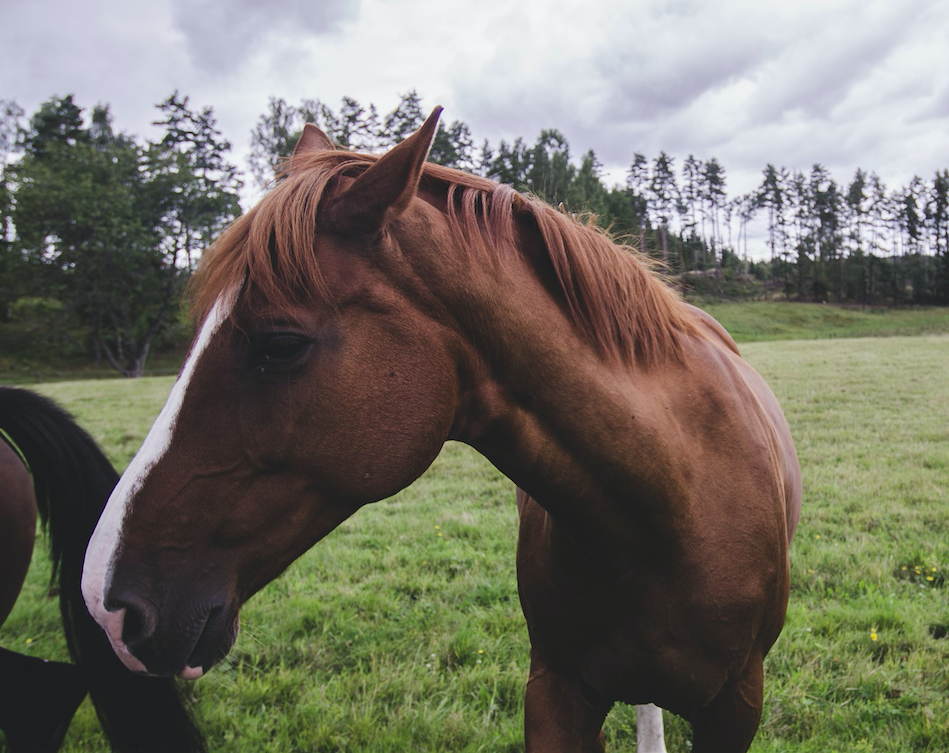
Hunt seat or Hunter classes judge the movement and the form of horses suitable for work over fences. A typical show hunter division would include classes over fences as well as "Hunter under Saddle" or "flat" classes (sometimes called "hack" classes), in which the horse is judged on its performance, manners and movement without having to jump. Hunters have a long, flat-kneed trot, sometimes called "daisy cutter" movement, a phrase suggesting a good hunter could slice daisies
By Kelly Jones July,16,2017
Sport in which the Arabian horse dominates at the top levels, has become very popular in the United States and in Europe. The Federation Equestre International (FEI) governs international races, and the American Endurance Ride Conference (AERC) organizes the sport in North America. Endurance races take place over a given, measured distance and the horses have an even start. Races are usually 50 to 100 miles (80 to 161 km), over mountainous or other natural terrain, with scheduled stops to take the horses' vital signs, check soundness, and verify that the horse is fit to continue. The first horse to finish and be confirmed by the veterinarian as fit to continue is the winner. Additional awards are usually given to the best-conditioned horses who finish in the top 10. Limited distance rides of about 25–20 miles (40–32 km) are offered to newcomers.
Though there is controversy over the exact date horses were domesticated and when they were first ridden, the best estimate is that horses first were ridden approximately 3500 BC. Indirect evidence suggests that horses were ridden long before they were driven. There is some evidence that about 3,000 BC, near the Dnieper River and the Don River, people were using bits on horses, as a stallion that was buried there shows teeth wear consistent with using a bit.[3] However, the most unequivocal early archaeological evidence of equines put to working use was of horses being driven. Chariot burials about 2500 BC present the most direct hard evidence of horses used as working animals. In ancient times chariot warfare was followed by the use of war horses as light and heavy cavalry.
Though there is controversy over the exact date horses were domesticated and when they were first ridden, the best estimate is that horses first were ridden approximately 3500 BC. Indirect evidence suggests that horses were ridden long before they were driven. There is some evidence that about 3,000 BC, near the Dnieper River and the Don River, people were using bits on horses, as a stallion that was buried there shows teeth wear consistent with using a bit.[3] However, the most unequivocal early archaeological evidence of equines put to working use was of horses being driven. Chariot burials about 2500 BC present the most direct hard evidence of horses used as working animals. In ancient times chariot warfare was followed by the use of war horses as light and heavy cavalry.